Top 10 Advantages of Working in Home Health Care
If you are an international nurse exploring jobs in the USA, you have probably heard two loud opinions about home health.
One side says it is the best work-life balance in nursing.
The other side says it is isolating, unpredictable, and hard to learn.
Both are partially true, and that is exactly why this post matters.
What makes this so hard
A lot of nurses chase the “big name” hospital job, then realize the schedule, pace, and stress are not sustainable long-term.
What most nurses experience
Long shifts, constant alarms, short staffing, and feeling like you are sprinting for 12 hours straight can burn out even the strongest nurses. Add cultural adjustment, licensing stress, and living in a new country, and it can feel like you are carrying too much at once.
Why home health is worth considering
Home health can be a smarter path for many nurses because it offers autonomy, patient connection, and flexibility without giving up professional growth. Below are the benefits of home health nursing explained clearly, so you can decide if it fits your goals.
Key Takeaways
Home health nurses build deeper patient relationships and see real progress over time.
You gain autonomy and stronger clinical judgement because you are often the one leading the visit.
Schedules can be more flexible, and many roles offer solid pay plus mileage.
Home health experience can open doors to case management, leadership, and specialty paths.
It is a strong option for international nurses who want meaningful work and a sustainable lifestyle in the USA.
Benefits of Home Health Nursing: Top 10 Advantages
1) You build real relationships with patients
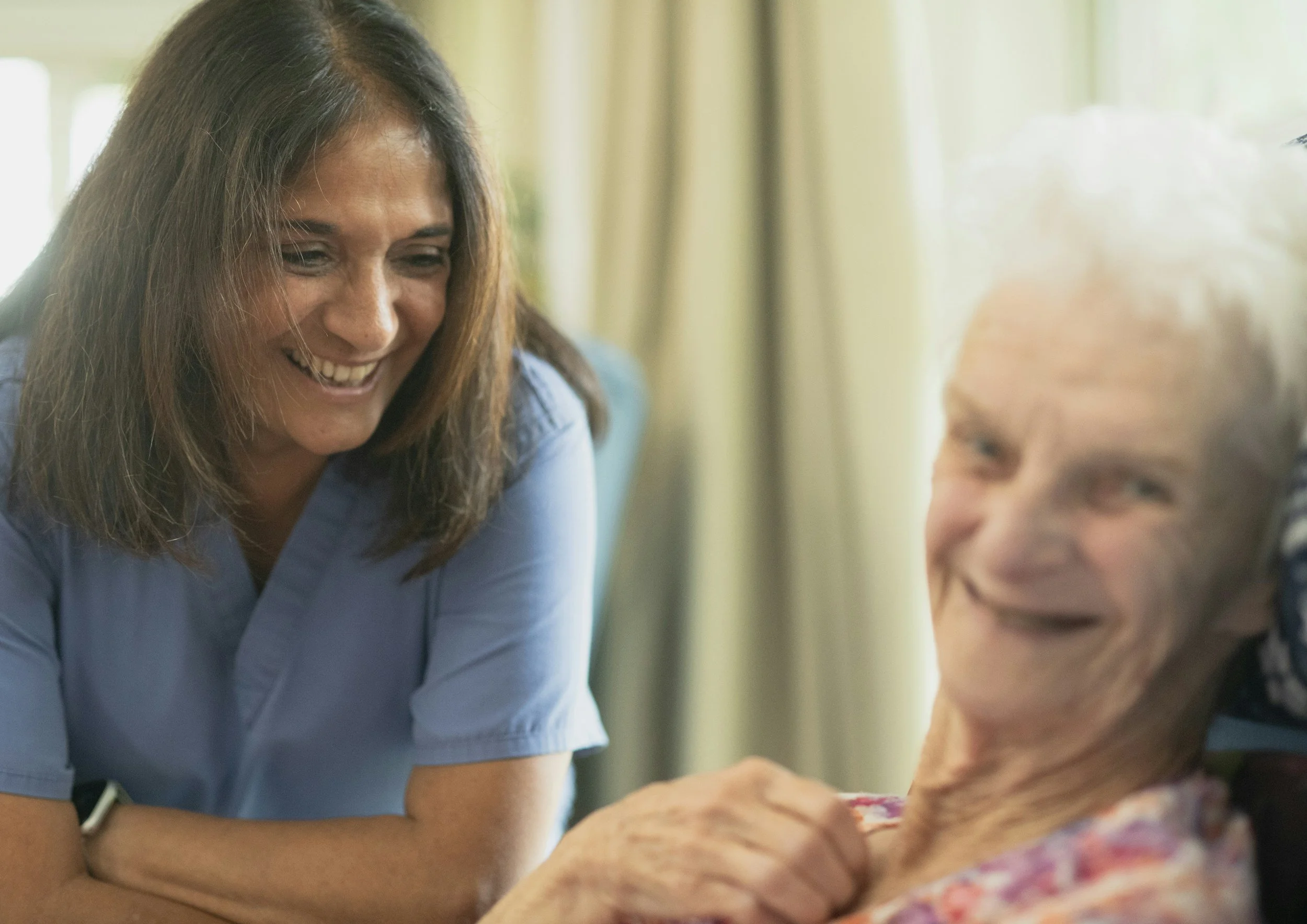
In many facility settings, you may have a long list of patients and very little time. In home health, you often see the same patients weekly, sometimes for months. That consistency changes everything.
Why it matters:
You learn what “normal” looks like for that patient
You gain trust faster
You can educate in a calm environment
Patients often follow plans more consistently
This is one of the biggest benefits of being a home health nurse if you value connection and impact.
2) More autonomy, stronger confidence
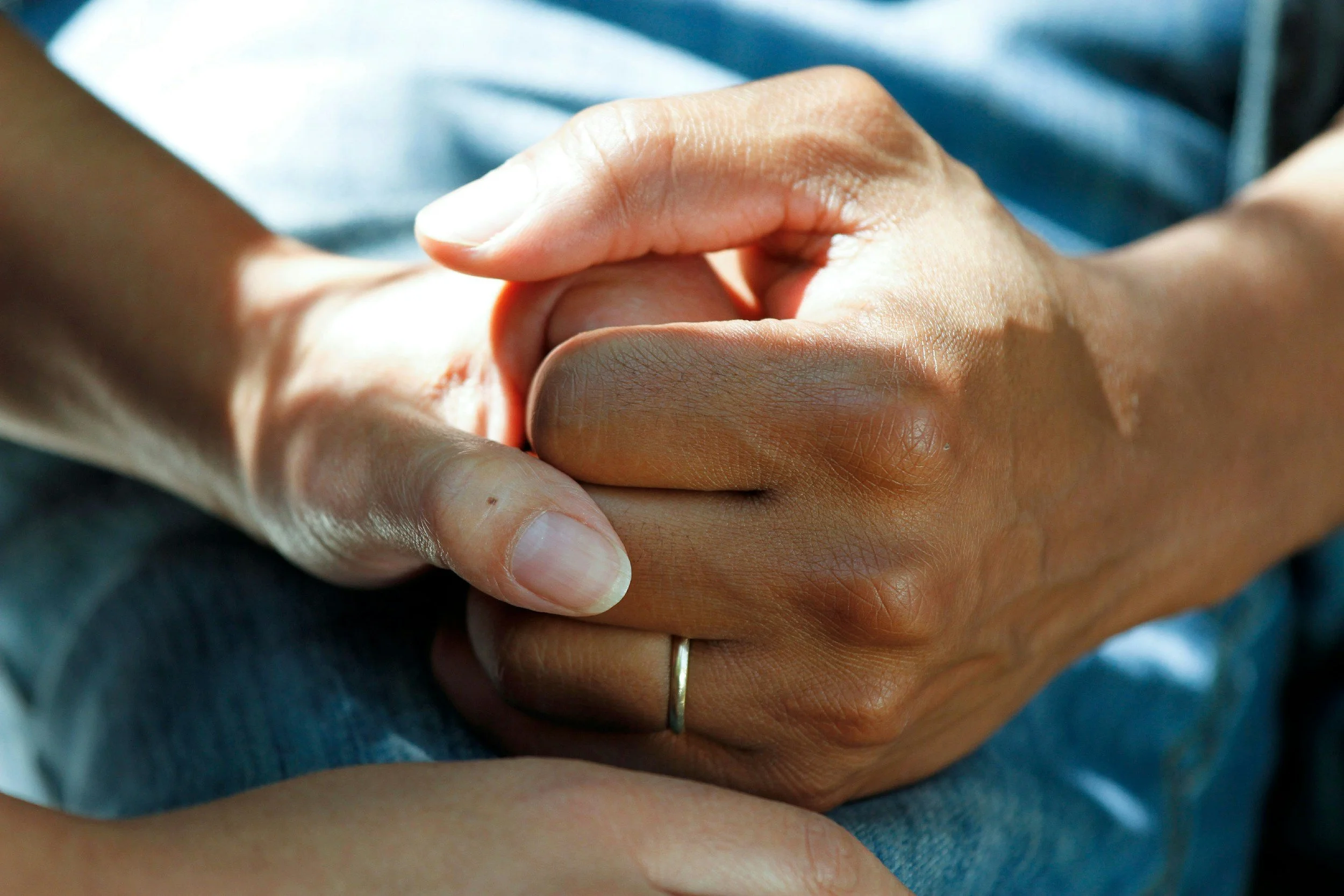
Home health pushes you to think like a leader, because you frequently work independently during visits. You assess, educate, document, and coordinate care without a charge nurse in the next room.
That is not a downside. It is a skill-builder.
You sharpen:
Assessment and triage judgement
Time management
Patient teaching skills
Documentation discipline
Communication with providers
In other words, the benefits of home health nursing include becoming a stronger nurse faster.
3) One patient at a time
Home health is not “easy,” but it is often less chaotic than hospital floors because you are focused on one patient during the visit.
That creates space to do nursing the way it is supposed to be done.
You can:
Listen without rushing
Teach without interruptions
Catch issues early
Build a plan that actually fits the patient’s home life
4) Flexible scheduling in many roles
Not every agency operates the same, but many home health jobs offer more flexibility than a standard hospital rotation.
Examples you may see:
Daytime visit schedules
Weekend options
PRN opportunities
4-day schedules (depending on territory and caseload)
If your goal is to build a life in the USA while still growing your career, this can be a major advantage.
5) Competitive pay and extra reimbursements
Compensation varies by state and employer, but home health nurses often receive added financial benefits beyond base pay.
Common extras include:
Mileage reimbursement
Phone stipend
Productivity incentives
On-call pay (when applicable)
For many nurses, these add-ons significantly improve total earnings. It is a practical and often overlooked part of the benefits of home health nursing.
6) You become an expert in patient education
Home health is education-heavy. You are in the patient’s environment, teaching in real time.
That means you can actually see what is getting in the way:
Medication confusion
Unsafe fall risks
Poor nutrition access
Incorrect wound care technique
Lack of family support
When you fix those issues at the source, outcomes improve. And when outcomes improve, your career options grow.
7) You learn coordination of care (a huge career skill)

Home health is where you learn how healthcare connects.
You communicate with:
Physicians
Therapists
Social workers
DME companies
Family caregivers
Case managers
This coordination experience is valuable if you later want to move into:
Case management
Clinical leadership
Quality and compliance
Utilization review
Education and training roles
8) You see the full picture of health
In a facility, you see the patient in a controlled environment. In home health, you see their real environment.
That teaches you things you cannot learn in a hospital.
You notice:
How they actually move around
What they eat and how they store food
Whether they can safely bathe
If they have support or are alone
What barriers make adherence difficult
This is one of the most underrated benefits of being a home health nurse because it makes you more effective and more compassionate.
9) Strong demand across the USA
Home health demand is growing in many states due to aging populations and the preference for recovery at home.
That typically means:
More job openings
More long-term stability
More opportunities to move into specialty programs
If you are an international nurse looking for a stable pathway in the USA, home health can be a strong long-term fit.
10) A career that can be meaningful without burning you out
Let’s be honest. Nursing is hard everywhere.
But home health often offers something many nurses are missing: a pace where you can do high-quality work without feeling crushed every day.
If you want:
Purpose-driven care
Autonomy
Flexibility
A sustainable rhythm
Then the benefits of home health nursing are worth serious consideration.
Who thrives in home health (and who might not)
Home health is an excellent fit if you are:
Self-motivated and organized
Comfortable working independently
Strong in communication and education
Calm under pressure
Willing to drive between visits
It may not be a fit if you prefer:
Constant team-based work side-by-side
High-acuity hospital interventions all day
A predictable environment with no travel
Neither choice is “better.” It is about fit.
Ready to work in the USA? We can help.
If you are exploring the benefits of home health nursing because you want a stable, meaningful nursing career in the USA, you do not have to figure it out alone.
At Healthcare Recruiting International (HRI), we help qualified international nurses take the next step with clear guidance through the process, including licensing and placement support. Our services are free for healthcare professionals, and we stay with you long-term.

If you are ready to explore home health opportunities in the USA, reach out to HRI today. Tell us your background, your timeline, and where you want to build your life, and we will help map out the next steps.
FAQ: Home Health Care (Common Questions)
-
Patients who need skilled nursing, therapy, or support while recovering at home often benefit the most. This can include older adults, post-surgical patients, people managing chronic illness, and individuals needing wound care, medication management, or mobility support.
-
The main goal is to help patients heal, manage conditions, and stay safe at home while improving independence and reducing avoidable hospital visits.
-
Yes, it can be. Many international nurses enjoy the patient relationships, schedule structure, and the opportunity to develop autonomy and communication skills quickly. The right employer and support system matters a lot.
-
Home health often provides one-on-one patient time, greater independence, flexible scheduling options, and strong care coordination experience, while hospitals can offer higher acuity exposure and constant team support.